Historic Huguenot Street logo

Where family is the story...

in New Paltz, New York
the heart of the Hudson Valley
View Our Newsletter
Enews Sign Up
Donate Now Search
Hours of Operation
Weekend hours:
June 1st through October 27th
9:30AM to 4:30PM
Weekday hours:
Mondays, Thursdays & Fridays
10:30AM to 4:30PM
Closed:
Tuesdays and Wednesdays


What's Happening

on the Street

Who were the Huguenots?

Though often described as Huguenots, we now know that some of the founders of New Paltz were actually Walloons, i.e., French-speaking Protestants who came from Northern France and what is now Belgium. Both Huguenots and Walloons were followers of John Calvin (1509-1564) the French theologian and Protestant Reformation leader.

Seeking freedom from persecution by Catholic authorities, the "New Paltz Huguenots" sailed to America in the 1660s and 1670s. They travelled to present-day Kingston and founded New Paltz, named for "Die Pfalz" in Germany where they had received temporary refuge before fleeing to America.

In 1677, twelve men (the "Duzine") from the Bevier, Crispell, Deyo, DuBois, Freer, Hasbrouck, and LeFevre families met with the Esopus Indians and purchased 40,000 acres of land stretching from the Shawangunk Mountains to the Hudson River. In exchange, the Esopus received domestic supplies, farming tools, clothing, blankets, wine, horses, tobacco, and gunpowder. The land deed signed by both the white settlers and the Esopus established the New Paltz Patent, an important early document preserved in the HHS Archives.

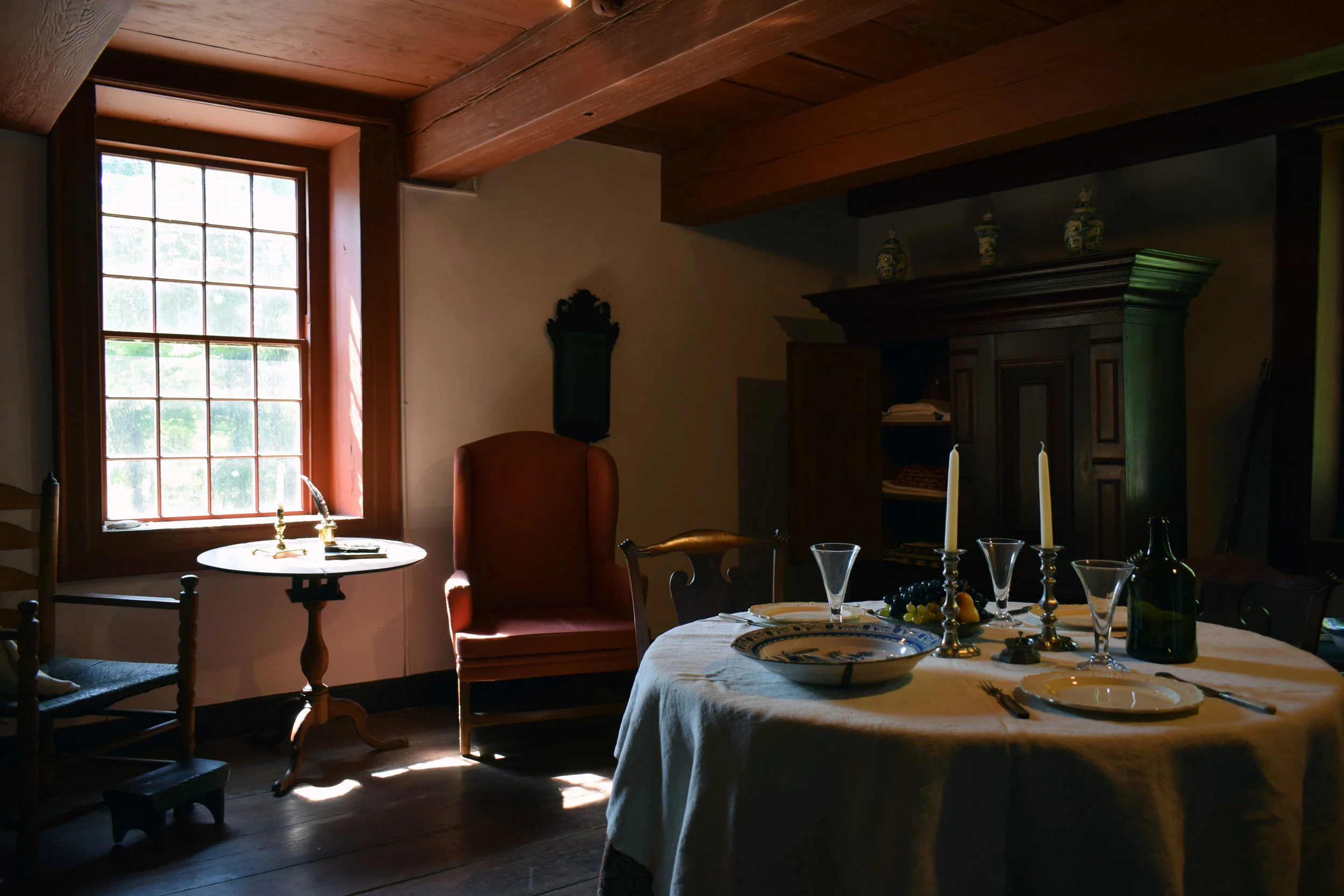
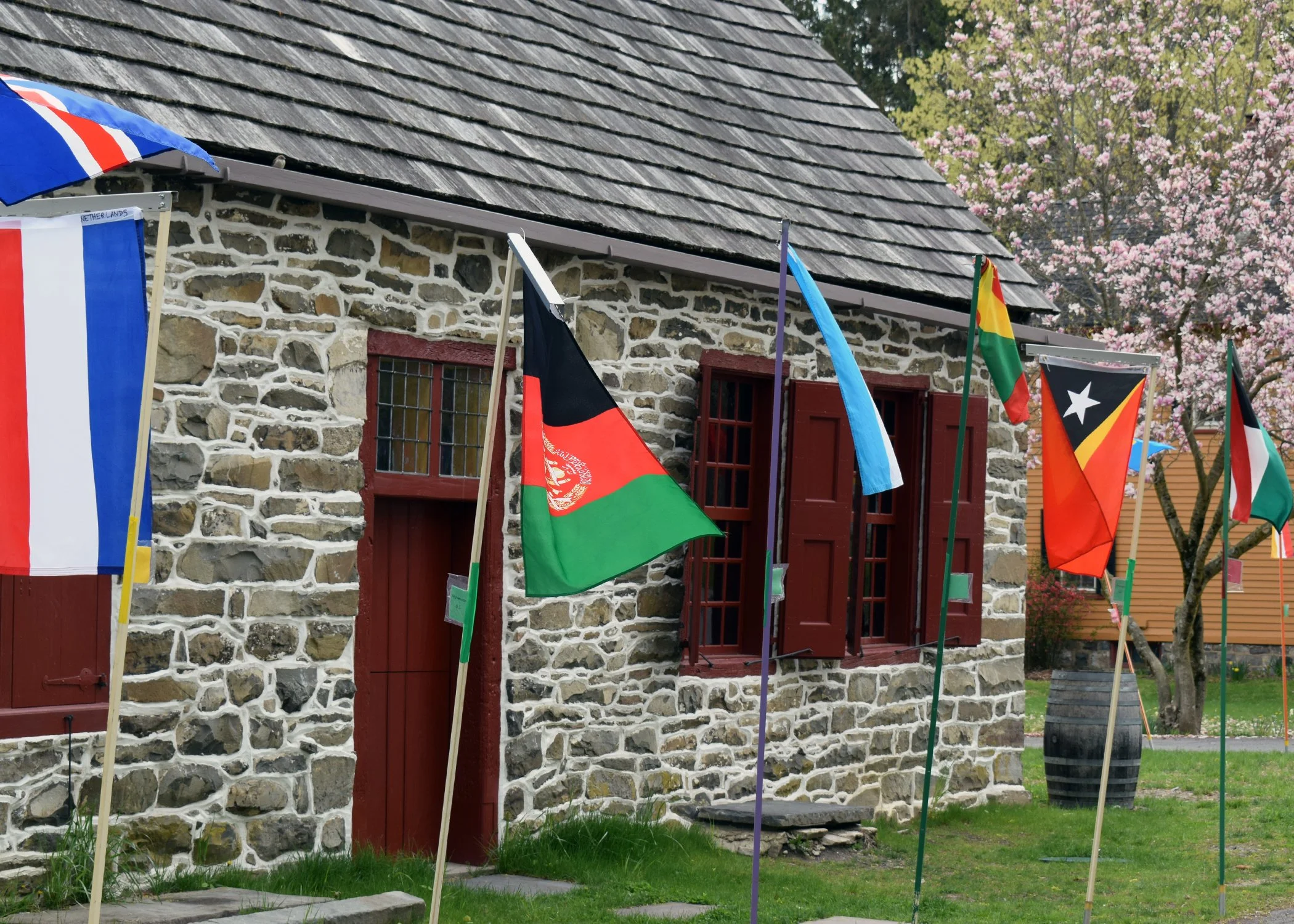
The settlers built their village on the east bank of the Wallkill River. The location, which had been home to Native Americans for centuries, was situated above the flood level near rich farm lands and wood lots. Within a couple of generations, permanent homes were constructed from local stone, following Dutch building traditions that included kitchen basements, jambless fireplaces, double chimneys and casement windows. Houses were surrounded by gardens, barns, small outbuildings, and fences.

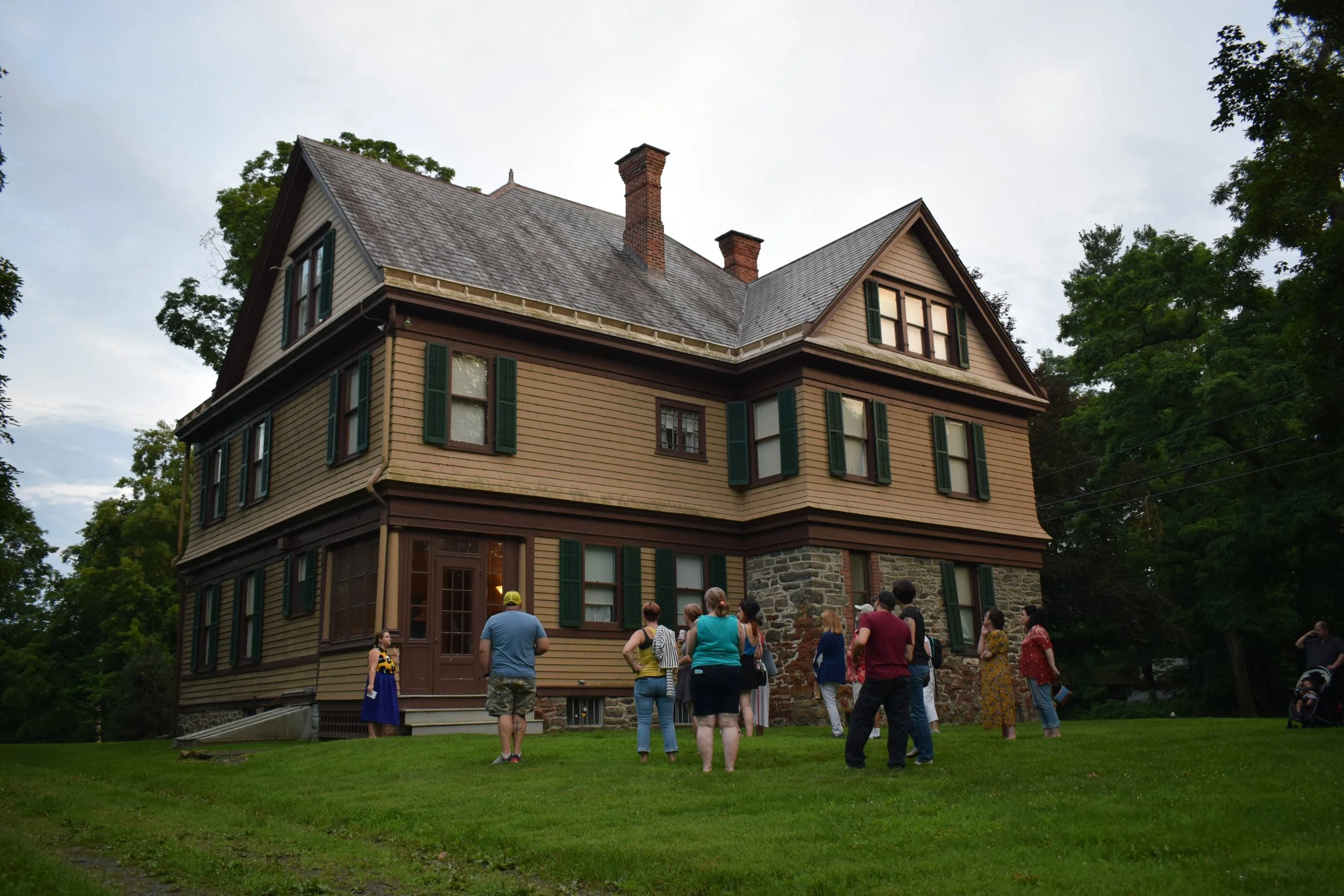
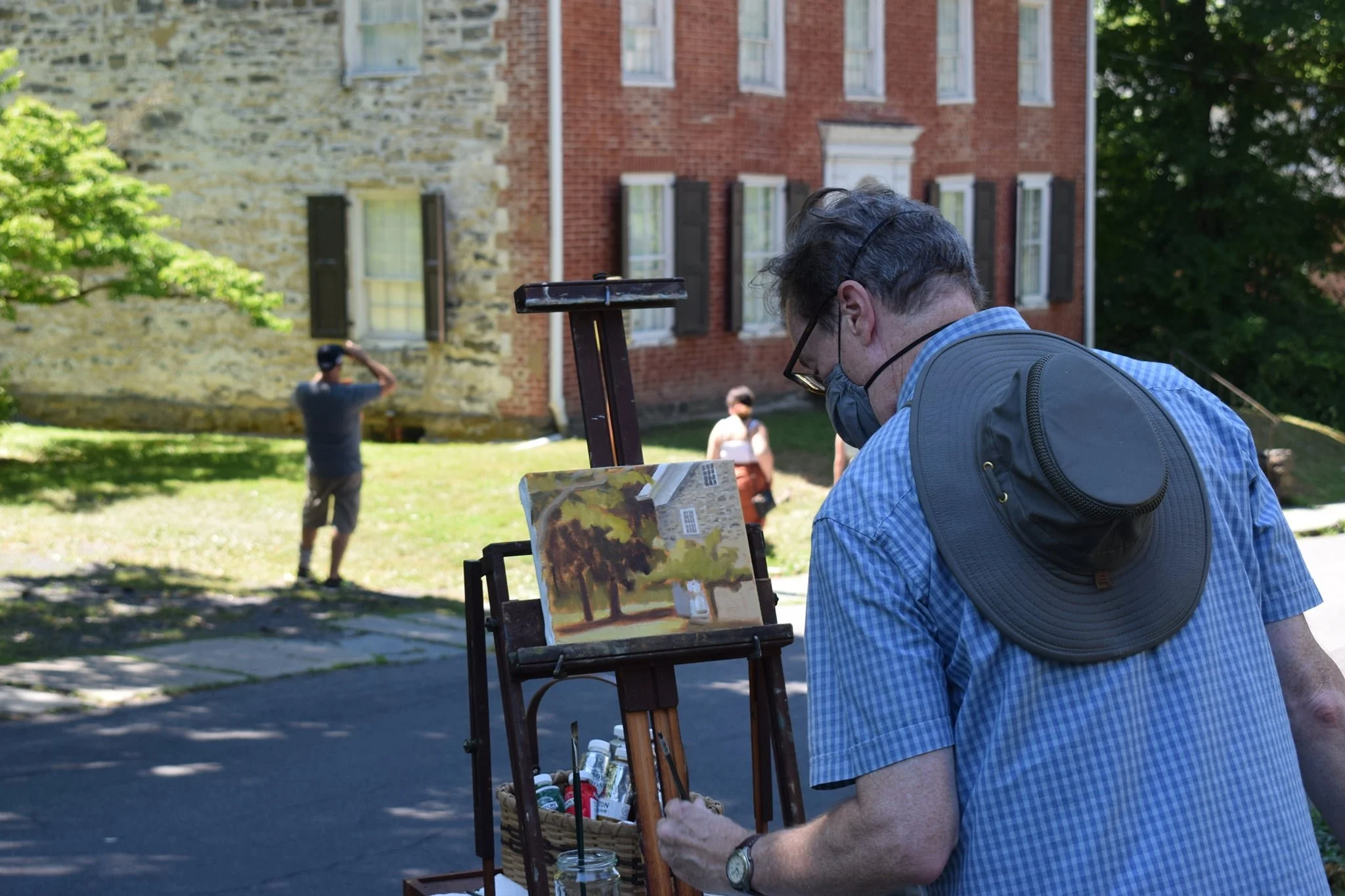
Today, the 10-acre National Historic Landmark District includes a visitor center, seven stone house museums, a reconstructed 1717 French church, and an early burial ground. HHS also maintains an extensive archive that preserves early local history collections and family papers along with a research library. Guided tours and programs are offered May through October. Special events are offered year-round.